

Introduction
Choosing the right software can feel confusing, especially when dozens of tools promise the same results. This is where a clear and practical Software Comparison Guide becomes essential for smart decision making. Whether you are a beginner starting your first project or an intermediate user upgrading your tools, understanding how to compare software properly saves time, money, and frustration.
A strong software comparison guide helps you evaluate features, pricing, usability, and long term value without feeling overwhelmed. Instead of relying on marketing claims, you learn how to analyze software based on your real needs. Many users skip this step and regret their purchase later.
In this article, you will learn how to use PRIMARY KEYWORD effectively while comparing different software options. We will walk through every step in simple language, using real examples and clear explanations. The goal is to help you feel confident when choosing software, even if you have limited technical knowledge.
What is Software Comparison Guide?
A software comparison guide is a structured method used to evaluate multiple software tools side by side. It helps users understand how different options perform based on features, pricing, ease of use, support, and overall value.
Instead of guessing or choosing the most popular tool, a software comparison guide allows you to make informed decisions. It breaks down complex information into simple points that are easy to understand.
PRIMARY KEYWORD refers to a systematic way of comparing software so users can match tools with their specific goals. This approach is useful for individuals, small businesses, and even large teams.
In simple terms, it answers one key question: which software fits your needs best and why?
Why is Software Comparison Guide Important?
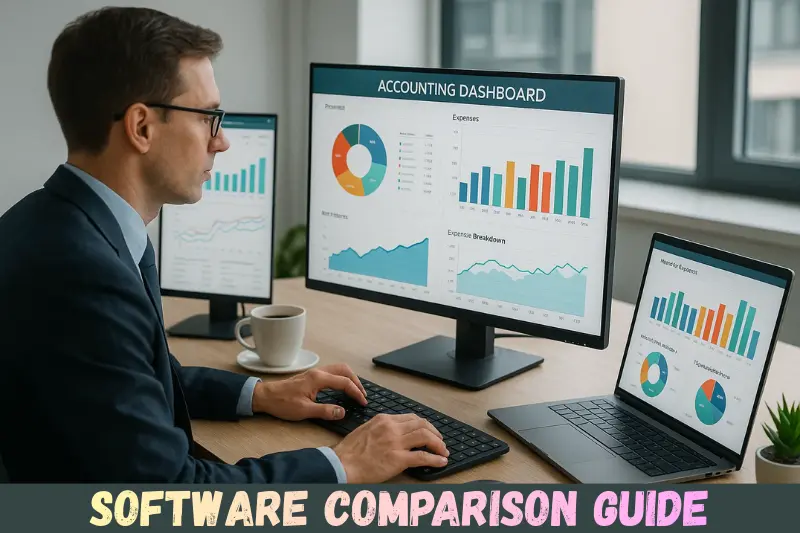
Choosing software without comparison often leads to wasted money and lost productivity. A software comparison guide reduces these risks.
It helps you:
- Understand what you truly need
- Avoid paying for unnecessary features
- Compare value instead of price alone
- Select tools that grow with your needs
Using PRIMARY KEYWORD ensures that your choice is based on logic, not emotion. It also saves time by narrowing down options quickly.
For beginners, it removes confusion. For intermediate users, it supports smarter upgrades. That is why a software comparison guide is important at every stage.
Detailed Step by Step Guide
Step 1: Define Your Purpose
Start by identifying why you need the software. Is it for productivity, design, accounting, or marketing?
Write down your main goal. This keeps your comparison focused and prevents distraction from flashy features.
Step 2: List Must Have Features
Create a list of essential features you cannot compromise on. These are non negotiable requirements.
For example:
- Cloud access
- Mobile support
- Reporting tools
- Integration options
PRIMARY KEYWORD works best when you compare tools based on real needs, not assumptions.
Step 3: Shortlist Software Options
Choose three to five software tools that meet your basic requirements. Too many options create confusion.
This step makes the software comparison guide manageable and effective.
Step 4: Compare Features Side by Side
Create a simple table or list. Compare each feature across all selected tools.
Focus on:
- Core functionality
- Customization
- Performance
- Ease of navigation
This visual comparison highlights strengths and weaknesses quickly.
Step 5: Analyze Pricing and Value
Do not look at price alone. Consider what you get for the cost.
Check:
- Monthly versus yearly plans
- Hidden charges
- Free trial availability
- Upgrade costs
PRIMARY KEYWORD emphasizes value over cheap pricing.
Step 6: Evaluate User Experience
User experience matters more than most people think. A powerful tool is useless if it is hard to use.
Look at:
- Interface simplicity
- Learning curve
- Setup process
Good software feels intuitive from day one.
Step 7: Check Support and Updates
Reliable support ensures long term success.
Compare:
- Customer support channels
- Response time
- Documentation quality
- Update frequency
This step is often ignored but critical.
Step 8: Read User Feedback Carefully
User reviews reveal real world issues. Focus on patterns instead of one time complaints.
This completes your software comparison guide process using PRIMARY KEYWORD.
Benefits of Software Comparison Guide
- Helps make confident decisions
- Saves money by avoiding wrong purchases
- Reduces learning time
- Improves productivity
- Matches tools with actual needs
- Supports long term planning
- Prevents feature overload
Using PRIMARY KEYWORD gives structure and clarity to software selection.
Disadvantages / Risks
- Takes time to research properly
- Too much information can overwhelm beginners
- Bias in reviews may mislead
- Feature comparison may ignore future needs
- Free trials may not show full limitations
Despite these risks, a software comparison guide remains highly valuable when done correctly.
Common Mistakes to Avoid
One common mistake is focusing only on price. Cheap software may cost more later through limitations.
Another error is ignoring scalability. Your needs may grow, and the software should grow with you.
Many users also skip testing. Always use demos or trials before final decisions.
Lastly, avoid relying on a single review source. Balanced research strengthens PRIMARY KEYWORD results.
FAQs
What is the main goal of a software comparison guide?
The main goal is to help users choose the most suitable software based on needs, value, and usability rather than marketing claims.
How many tools should I compare at once?
Comparing three to five tools is ideal. It keeps the process focused and manageable.
Is a software comparison guide useful for beginners?
Yes, beginners benefit the most because it simplifies complex choices into clear steps.
Can I use PRIMARY KEYWORD for free software comparison?
Yes, the same comparison process works for both free and paid software.
How often should I update my comparison?
Update your comparison whenever your needs change or when major software updates occur.
Do I need technical knowledge to compare software?
No, a good software comparison guide is designed for non technical users as well.
Expert Tips & Bonus Points
Always start with your problem, not the software. This keeps decisions practical.
Use spreadsheets to organize comparisons clearly.
Test software during real tasks, not just exploration.
Think long term. Choose tools that support future growth.
PRIMARY KEYWORD works best when you remain honest about your needs and limitations.
Conclusion
Choosing the right software does not have to be stressful or confusing. With a clear and structured software comparison guide, you can make smart decisions that support your goals and budget. By following a step by step approach, you avoid common mistakes and focus on what truly matters.
This guide showed you how to define your needs, compare features, analyze pricing, and evaluate usability in a simple and practical way. Using PRIMARY KEYWORD helps bring clarity to the decision making process, whether you are a beginner or an intermediate user.